Action Also Sought Against Officers Who Allegedly Delayed Recovery Proceedings
The Samiti has relied upon the findings of Supreme Court in Manish Sisodia v. CBI, 2023 SCC OnLine SC 1393, for amount of proceeds of crime and also upon law laid down in Shiv Sagar Tiwari v. Union of India, (1996) 6 SCC 558, wherein it was held that public office is a fiduciary trust and that where a Minister, frames or implements a policy decision resulting in loss to the public or the public exchequer, such loss should be recovered personally from the responsible office-bearers, independent of the outcome of criminal prosecution. In this case the Supreme Court Importantly, the Supreme Court relied upon the celebrated decision of the Supreme Court of Canada in Roncarelli v. Duplessis (1959) 16 DLR (2d) 689, wherein the Prime Minister of Quebec was held personally liable in damages for arbitrarily decision related with a liquor licence for extraneous and unlawful reasons.
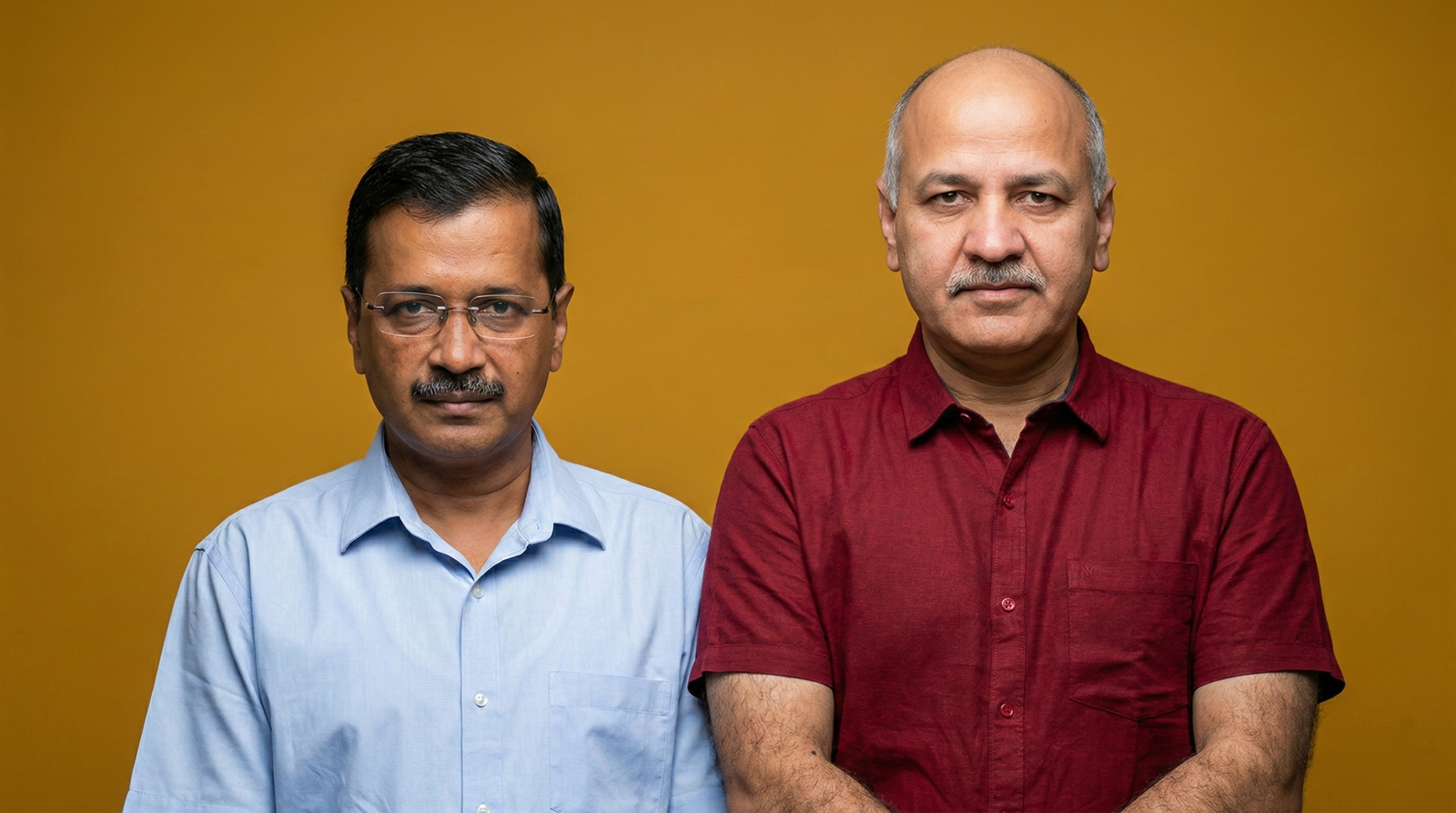
New Delhi: A detailed constitutional representation has been filed before the Hon’ble President of India, the Lieutenant Governor of Delhi, and the Chief Minister of Delhi seeking initiation of civil recovery proceedings amounting to over ₹338 crores against Arvind Kejriwal, Manish Sisodia, others, and also from the Aam Aadmi Party (AAP) in connection with the Delhi Excise Policy 2021–2022.
The representation, submitted by Secretary General Rashid Khan Pathan and being represented by the Samiti’s National President Adv. Nilesh Ojha, places substantial reliance on judicial observations recorded by the Hon’ble Supreme Court in Manish Sisodia v. CBI (2023 SCC OnLine SC 1393) and by the Hon’ble Delhi High Court in Arvind Kejriwal v. Directorate of Enforcement (2024 DHC 2851).
According to the representation, these judicial observations record prima facie findings based on material placed before the courts by the investigating agencies, including references to the enhancement of commission under the Delhi Excise Policy and the alleged generation and utilization of proceeds of crime. The Samiti has contended that such recorded judicial findings furnish a sufficient constitutional and legal basis to examine and initiate independent civil recovery proceedings, irrespective of the ultimate outcome of the pending criminal trials, as civil restitution operates on a distinct legal footing from criminal liability.
The representation further relies upon Section 35 of the Indian Evidence Act, 1872, and the law laid down by the Hon’ble Supreme Court in P.C. Reddiar v. State of Madras, (1972) 1 SCC 9, to contend that official records and reports prepared by statutory authorities in discharge of their official duties constitute relevant and admissible material for legal proceedings. It is therefore asserted that the investigation reports of the ED and CBI, being official documents prepared in the course of statutory functions, are legally sufficient and relevant for the purpose of initiating civil recovery and restitution proceedings, subject to adjudication by the competent authority.
According to the complaint, the courts, while considering bail pleas, recorded that:
- Wholesale distributors earned approximately ₹581 crores during the operation of the new excise policy.
- The increase of commission from 5% to 12% allegedly resulted in excess profits of around ₹338 crores.
- Investigative agencies have alleged that part of these profits constituted “proceeds of crime.”
- Allegations include diversion of approximately ₹100 crores for electoral purposes in Goa.
The complainant has asserted that the reports of investigation and judicial observations establish prima facie material indicating substantial loss to the public exchequer and corresponding unlawful gains to private beneficiaries.
The complaint seeks:
- Directions to the Attorney General of India to initiate civil recovery proceedings.
- A comprehensive financial audit by the CBI and ED to quantify total public loss.
- Attachment and recovery from personal assets of the alleged responsible decision-makers.
- Recovery of ₹338 crores or higher, along with compound interest.
- Recovery to be made as arrears of land revenue, as per principles laid down in the Shiv Sagar Tiwari case.
The representation emphasizes that civil liability operates independently of criminal prosecution and argues that restitution of public funds is not concerned with the outcome of criminal case.
Action Against Delaying Officers Sought
Additionally, the complaint seeks inquiry and action against officers who allegedly failed to initiate timely civil recovery proceedings despite the availability of investigative material and judicial findings. It prays for time-bound examination within two months to ensure restoration of public funds and enforcement of fiduciary accountability.
In Shiv Sagar Tiwari v. Union of India, (1996) 6 SCC 558 (Order dated 11.10.1996), the Hon’ble Supreme Court examined the legality of discretionary allotments made by the then Union Minister, Smt. Sheila Kaul, and found the exercise of power to be prima facie arbitrary and intended to confer undue benefit. The Court categorically held that misuse or abuse of public power is actionable in law and reaffirmed that public office is a constitutional trust. It ruled that deviation from this trust for extraneous or collateral purposes constitutes a breach of Article 14 and attracts personal liability. Invoking the doctrine of misfeasance in public office, the Supreme Court issued a show-cause notice for personal payment of exemplary damages and emphasized that public power cannot be exercised for private benefit. Court underscored that no public authority is above the law and that arbitrary or mala fide exercise of executive power may result in personal civil liability as a measure of deterrence and constitutional accountability. Importantly, the Supreme Court referred to and relied upon the celebrated decision of the Supreme Court of Canada in Roncarelli v. Duplessis (1959) 16 DLR (2d) 689, wherein the Prime Minister of Quebec was held personally liable in damages for arbitrarily decision related with a liquor licence for extraneous and unlawful reasons.